
For brands looking to generate television coverage without carrying the full cost of a traditional media tour, a co-op satellite media tour can offer a practical alternative.
A co-op SMT brings several noncompeting brands together around one timely, consumer-friendly story. The brands share the production and media booking expenses while each receives exposure during the television interviews. This creates a cost-effective media tour that can deliver broad reach for a more manageable investment.
How Does a Co-op Satellite Media Tour Work?
A co-op SMT agency begins by developing a strong editorial theme that can naturally include several products or services. Examples might include holiday gift ideas, back-to-school essentials, healthy living tips, summer travel products, or seasonal entertaining.
Each participating brand must fit comfortably within the overall story. The goal is not to present a collection of unrelated advertisements. It is to create a useful segment that television producers will want to book and viewers will find informative.
The co-op SMT production typically includes:
- Story development and messaging
- An experienced spokesperson
- Media outreach and TV interview booking
- Studio or virtual production
- Product integration and demonstrations
- Interview coordination
- Broadcast monitoring and reporting
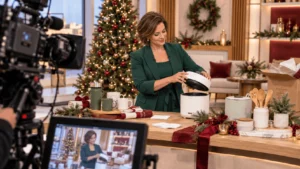
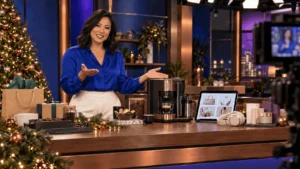
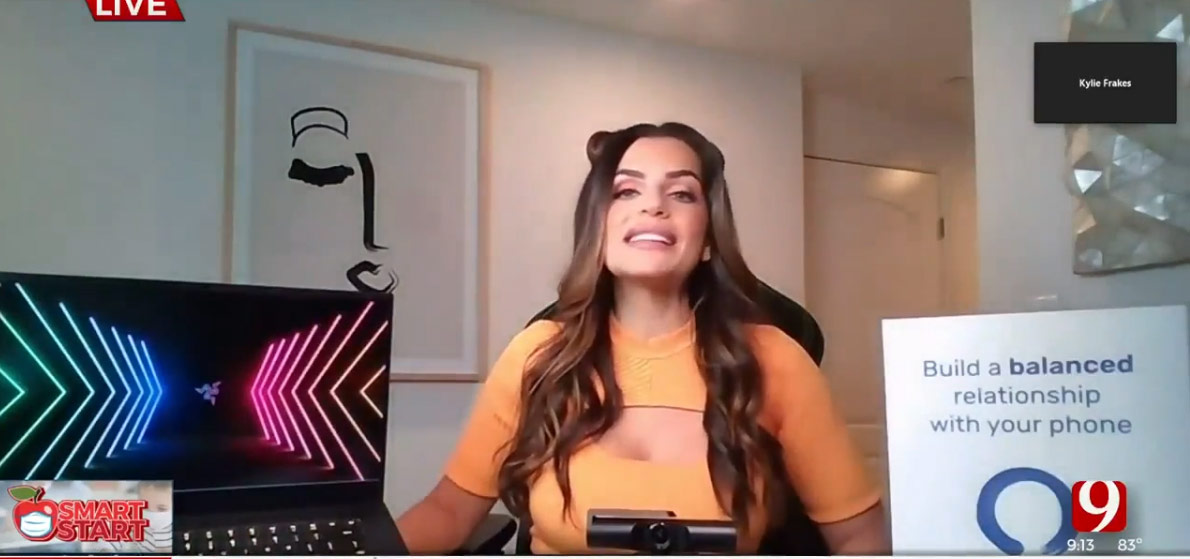
The spokesperson introduces each participating brand during the interviews, explaining how its product connects to the larger topic. Depending on the format, products may also be displayed on set or demonstrated during the segment.
How Do Brands Share the Costs?
Broadcast cost sharing is one of the main co-op media tour benefits. Rather than one company paying the entire satellite media tour pricing, production and booking costs are divided among the participating brands.
This can significantly reduce the amount each brand needs to allocate from its PR campaign budget. The exact price depends on the number of participating brands, production requirements, spokesperson costs, and expected reach.
A shared broadcast campaign can be particularly useful for brands that want television exposure but may not yet be ready to finance a full solo SMT. It can also help larger brands add broadcast coverage to a seasonal or product-launch campaign without substantially increasing the overall budget.
What Are the Challenges of a Co-op SMT?
The cost-sharing structure also creates one of the main challenges of a co-op SMT: the project usually requires a minimum number of participating brands to move forward. If there is not enough interest and the minimum is not reached, the co-op SMT may need to be cancelled. Brands that have already committed could then be left without a project or scrambling to find a similar opportunity that fits their campaign timing. Before signing on, brands should ask when participation will be confirmed, what happens if the minimum is not met, and whether deposits will be refunded or transferred to another project.
How Does Media Booking Work?
The co-op SMT agency pitches the complete editorial concept to television stations. Producers book the story based on its relevance to their viewers, the strength of the topic, and the credibility of the spokesperson.
In most cases, every participating brand appears within each interview rather than receiving separate interview slots. The spokesperson moves naturally from one product or service to the next while keeping the conversation focused on the central theme.
This multiple brand SMT approach allows each participant to benefit from the same production and media outreach campaign. It also makes the national TV coverage cost more accessible while preserving the professional execution of a traditional satellite media tour.
Are Co-op SMTs Popular?
PR teams are under increasing pressure to deliver measurable results while managing tighter budgets. A Satellite media tour company offers an efficient way to reach television audiences, build credibility, and generate broadcast content without the cost of a standalone campaign.
The format also gives smaller and emerging brands access to experienced spokespeople, professional production, and established station relationships that might otherwise be beyond their budget.
Frequently Asked Questions
What is a co-op satellite media tour?
It is a television media tour in which several noncompeting brands participate in one themed segment and share the production and booking expenses.
How many brands can participate in a co-op SMT?
Most co-op tours include approximately three to five brands. Keeping the group focused gives each brand enough time and prevents the interviews from feeling overcrowded.
How are interview slots divided in a co-op satellite media tour?
Brands generally appear together within each interview. The spokesperson gives each participating product a dedicated portion of the segment.
Is a co-op SMT right for small brands with limited budgets?
Yes. It can be an effective way for smaller brands to access professional broadcast production and television coverage at a lower entry cost. However, brands should confirm that the project has enough participants to proceed before relying on it as part of a time-sensitive campaign.
How does a co-op SMT differ from a solo satellite media tour?
A solo SMT is built entirely around one brand, giving it greater control and more interview time. A co-op SMT shares the story, production, spokesperson, and costs among several brands.
PLUS Media develops professionally produced co-op SMTs designed to give each brand meaningful visibility within a credible, newsworthy story. If you are considering a cost-effective broadcast campaign, contact us to discuss upcoming co-op opportunities.