When it comes to earning broadcast coverage, two formats stand out: the Satellite Media Tour (SMT) and the Virtual Media Tour (VMT). Both can put your spokesperson in front of millions of viewers in a single morning. But they’re not interchangeable. The right choice depends on your story, your spokesperson, your budget, and the kind of impression you want to leave behind.
What’s the Difference?
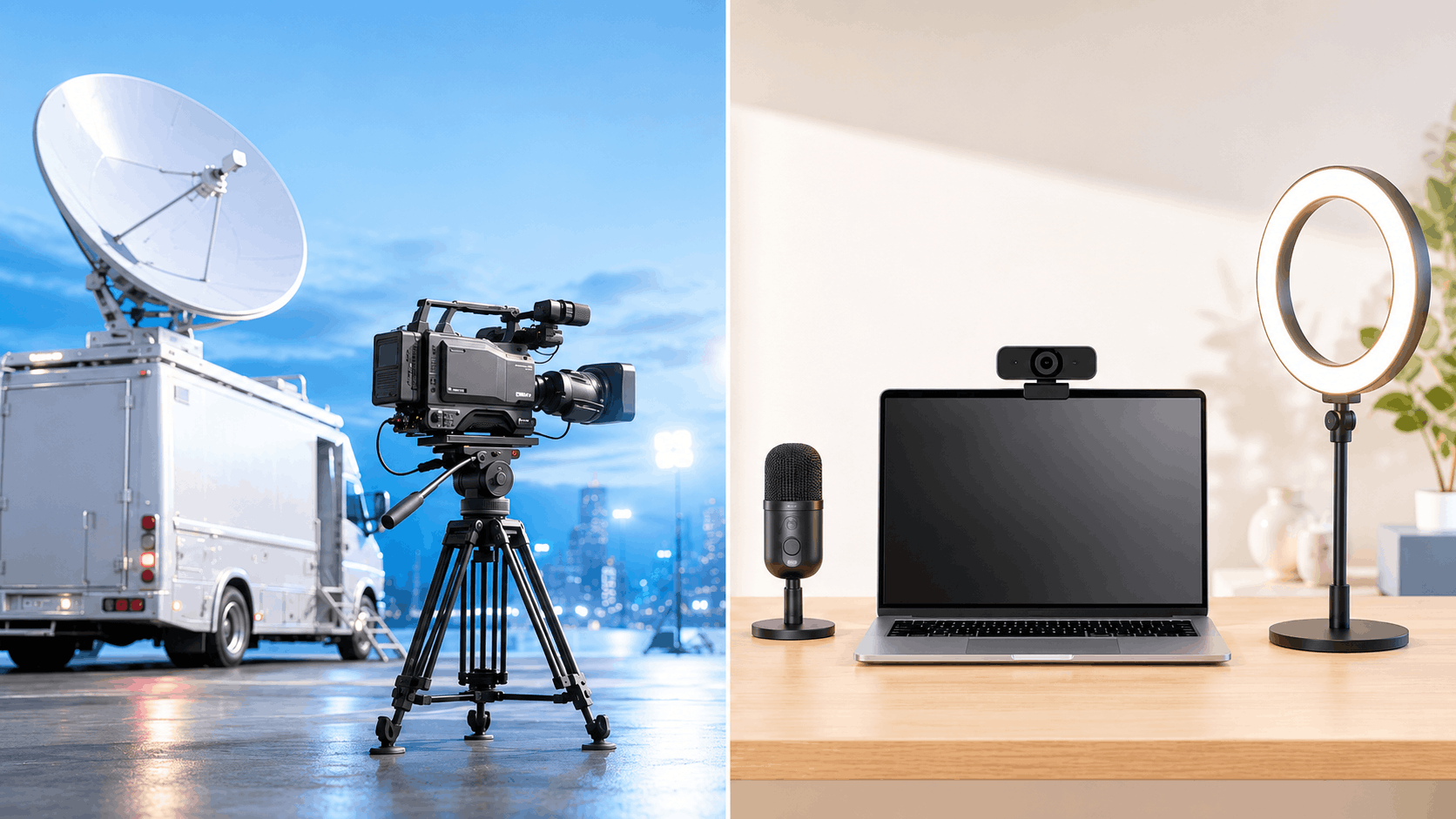
A Satellite Media Tour is the traditional gold standard. Your spokesperson sits in a professional studio with broadcast lighting, a custom set, and a producer in their ear. Over the course of three to five hours, they conduct back-to-back live and pre-taped interviews with TV and radio stations across the country, uplinked via satellite or fiber. The production value is high and stations recognize it.
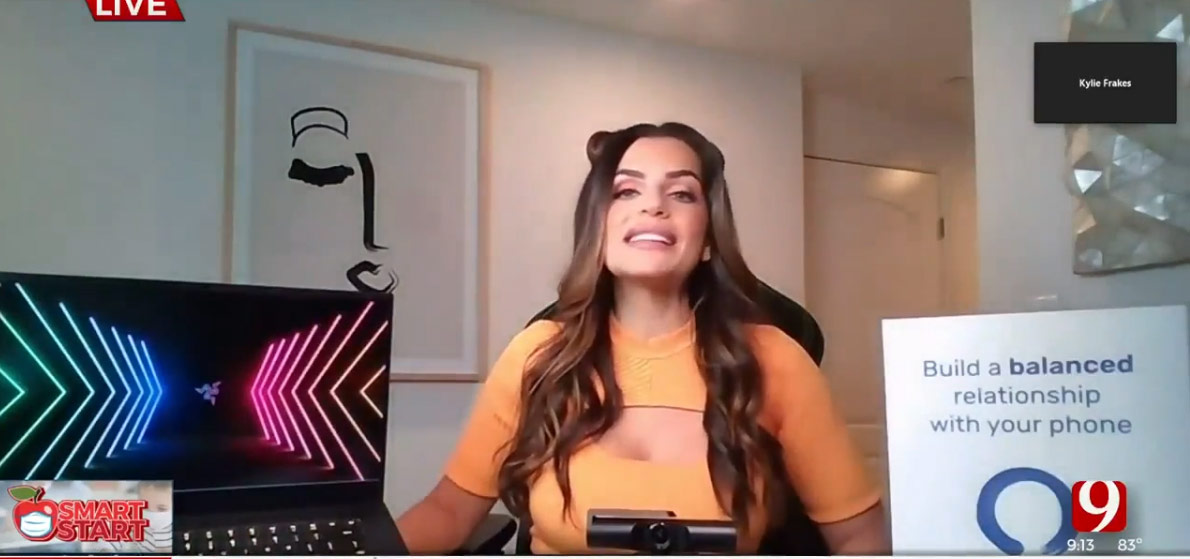
A Virtual Media Tour follows the same interview back-to-back structure, but the spokesperson appears from a home office, hotel room, or remote location via a streaming platform. There’s no studio rental, no satellite uplink, and no control room.
When to go with an SMT
Go with an SMT when production quality is part of the message. Consumer product launches, celebrity talent, health and wellness segments, and major brand events all benefit from a studio set. Stations are more likely to book segments that look network ready. Morning show producers respond better to a professional backdrop, good audio and lighting, and a producer in the control room.
SMTs also give you control. If a station drops out, you can use the slot for recording extra segments. If a spokesperson stumbles, the producer can help in real time. That control matters most when the story is regulated, sensitive, or tied to a specific product claim.
When to go with a VMT
Go with a VMT when speed and flexibility matter more than polish. Breaking news, expert commentary, B2B stories, and campaigns with spokespeople in different cities all work well as VMTs. If your CEO is in Singapore and you need to be on air Thursday, a VMT makes it happen with no flight required.
Budget is the other obvious factor. VMTs typically come in at a fraction of an SMT’s cost, which makes them a strong fit for brands, nonprofits, and campaigns where the story, not the staging, is the draw.
The Hybrid Option
You don’t always have to choose. Many of today’s best tours mix both. You might run an SMT in the morning for the big TV hits, then switch to a VMT in the afternoon for podcasts and digital outlets. Done right, a hybrid tour reaches more people without doubling your budget.
How to Decide
You should ask the following questions:
- Does the visual matter? If your product, set, and spokesperson need to look the part on camera, go with an SMT.
- Where are the bookings? National morning shows and top market affiliates in general like studio quality feeds. Cable, radio, and digital outlets are fine with virtual.
- What’s your timeline? A VMT can be live in a few hours.
There’s no universal winner. The brands that get the most out of broadcast PR treat SMTs and VMTs as two tools in the same kit and pick the one that fits the job.
Ready to map the right format to your next campaign? The team at PLUS Media can help you weigh the trade-offs and book the coverage to match.