
Securing a spot on a local or national television broadcast is one of the most powerful ways to build your brand. As we’ve seen in recent industry data, television doesn’t just build credibility and memory, it acts as a great multiplier for your digital and social media campaigns.
But here’s the catch: getting booked is extremely difficult.
Every day TV news producers go through dozens of emails from PR reps, brand managers, authors, etc. all begging for three minutes of airtime. The vast majority of these pitches are trashed within seconds.
If you want to secure the spotlight, you must watch your approach.
Think Like a Producer, Not a Marketer
The most common mistake brands make is pitching a product or corporate news instead of a news story. TV producers are not in the business of airing free commercials; they are in the business of informing and entertaining their viewers.
Before you write your pitch, ask yourself: Why does the show audience care about this right now? Tie your pitch to a timely news cycle, a seasonal trend, or a problem that your spokesperson can solve. Offer educational value first.
The Three T’s (or The Three Why’s)
Every successful TV pitch answer three simple questions. If you miss one, your chances of getting booked drop significantly.
1. Topic: Why This?
This is your core story. What are you actually talking about, and why is it interesting enough to be on TV? It’s not your product. It’s the idea behind it. The goal is to present a segment that delivers value, tips, insights, or solutions the audience can use.
Right Pitch: 5 Ways To Stay Hydrated
Wrong Pitch: Introducing Our New Drink
2. Timing: Why Now?
Timing is everything in broadcast. Even a great story won’t book if it’s not relevant right now. Producers need a reason to run your segment this week, not next month. This is where many pitches fail. They’re good ideas, but they lack urgency.
Right Pitch: Healthy Eating Habits For Heart Health Month
Wrong Pitch; Healthy Eating Habits
3. Talent: Why This Expert?
Finally, why you? Why is your spokesperson the right person to deliver this segment?
- Do they have real expertise? (doctor, chef, financial expert, etc.)
- Can they communicate clearly on TV?
- Do they bring authority without sounding promotional?
Your expert should not feel like a brand representative. Focus on positioning the spokesperson correctly, because even a great story can fall flat if the messenger isn’t right.
Right Pitch: A financial expert breaking down savings strategies
Wrong Pitch: A generic spokesperson lacking authority on the topic
The Subject Line and Keep It Short
A producer will decide whether to read your pitch based entirely on the subject line. Keep it punchy, newsy, and relevant.
Keep your pitch to three short paragraphs: the hook (why this matters today), the expert (who you are offering), and the three specific takeaways the audience will learn. Use bullet points. Ideally, it includes:
- A compelling subject line
- A short overview of the segment
- A few bullet points of what the audience will learn
- A brief bio of the spokesperson
- Visual elements (products, demos, props)
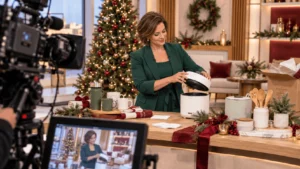
Remember: TV is a visual medium. If your segment doesn’t look good on screen, it’s a harder sell.
Make It About the Audience, Not the Brand
Producers don’t book segments because a brand wants exposure, they book because their viewers will care.
Position your spokesperson as an expert, not a salesperson. This is especially critical for broadcast, where credibility drives bookings.
Right Pitch: A dermatologist shares 5 ways to protect your skin this summer
Wrong Pitch: Introducing our new skincare line
Offer a Turnkey Segment
Producers are busy. The more you can make their job easier, the better your chances. A strong pitch presents a “ready-to-go” segment:
- Clear talking points
- Defined segment structure
- Pre-produced B-roll or visual assets
- Availability for interviews
Target the Right Stations and Producers
Not every station is the right fit. Research before pitching.
Follow Up (Without Being Annoying)
Most bookings don’t happen on the first email.
Deliver Like a Pro
Getting booked is only half the battle. A strong on-air performance leads to repeat opportunities.
Make sure your spokesperson:
- Is media trained
- Stays on message
- Engages naturally on camera
Quick Test Before You Hit Send
Ask yourself:
- Is this idea useful or interesting to a broad audience?
- Is there a clear reason it matters right now?
- Is my spokesperson the obvious person to tell this story?
If you can answer all three, you’re on the right track.
Remember: If it’s useful, timely, and delivered by the right expert, it’s ready to send. If you have to explain why it matters, producers won’t spend time figuring it out. They’ll move on.
Final Thoughts
Pitching TV stations is both an art and a science. It’s about crafting the right story, delivering it in a way that caters to the audience, and making it easy for producers to say yes.
And that’s why, despite all the noise, broadcast still wins.
If you’re looking to take the guesswork out of the process, partnering with the PLUS Media team can turn a good idea into a fully executed campaign.