Every brand today needs content. Social media has made that clear.
Brands need short videos, behind-the-scenes clips, influencer posts, product demos, expert tips, reels, stories, and shareable moments that keep them visible every day. Social media is fast, flexible, and direct. It allows brands to speak to their audience, test messages, build community, and stay part of the conversation.
But social media and television do not serve the same purpose.
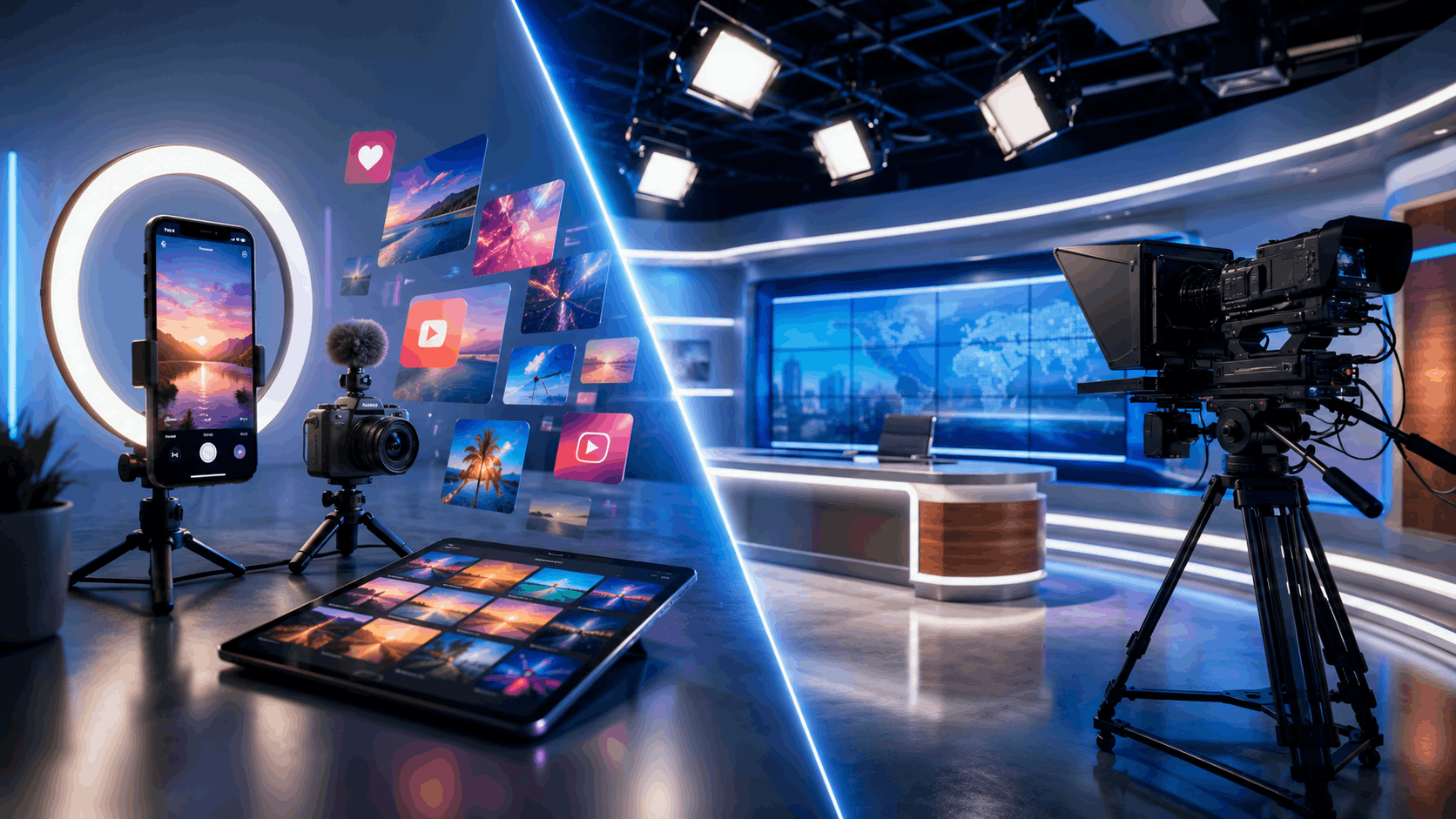
Social media is where brands create content. Television is where brands earn credibility.
That difference matters.
On social media, a brand controls the message. It decides what to post, when to post, how to say it, and who appears in the content. That control is valuable. It allows a brand to be creative, timely, and highly targeted. But because the content comes directly from the brand, consumers understand that it is brand-driven.
Television works differently.
A TV segment is not just another piece of content. It is an editorial opportunity. A producer has to decide that the topic is useful, relevant, timely, and interesting for the audience. A guest has to deliver information, not just promotion. The segment has to feel like a story, not a commercial.
That is why television still carries a different kind of weight.
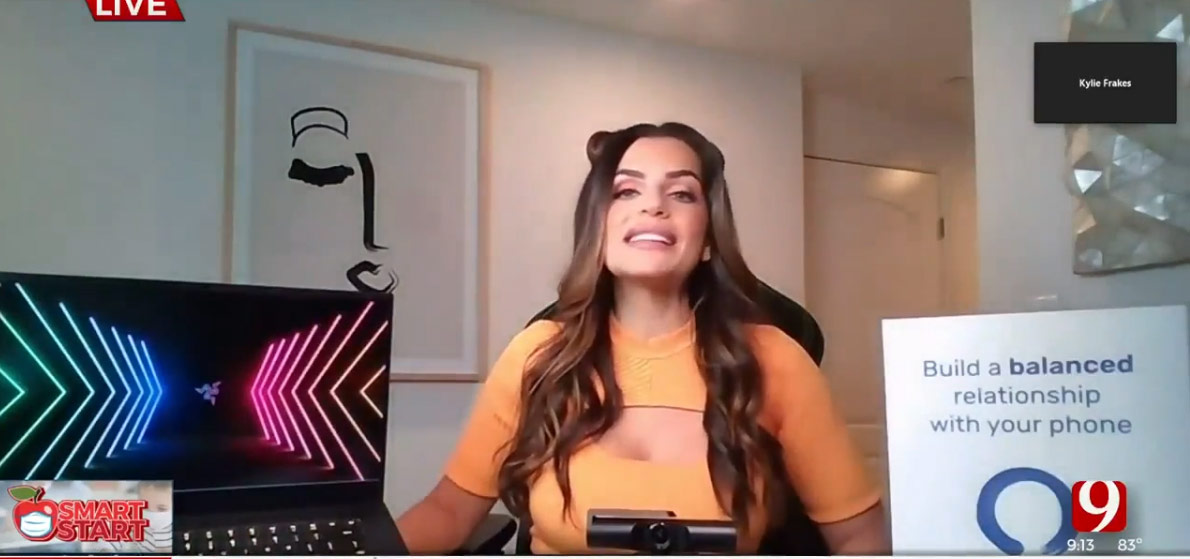
When a brand, expert, nonprofit, author, doctor, chef, entrepreneur, or spokesperson appears in a TV segment, the message is presented in a trusted media environment. The interview format gives the audience a sense that the topic has been selected, vetted, and framed for public interest. That credibility is difficult to recreate through a self-produced social media clip.
This does not mean television is better than social media. It means they do different jobs.
Social media is ideal for frequency. It helps brands stay active and visible. It can support launches, drive engagement, extend campaigns, and give audiences a reason to interact. A strong social clip can be spontaneous, personal, visual, and highly shareable.
Television is ideal for authority. It helps brands elevate a message, build trust, and reach audiences through a third-party media platform. A good TV segment can turn a product, service, cause, or expert point of view into a broader consumer story.
The strongest campaigns understand how to use both.
A brand might use social media to introduce a new product, tease a campaign, share quick tips, or highlight a spokesperson’s personality. Then, through a Satellite Media Tour, Virtual Media Tour, or in-studio interview, that same campaign can be positioned for television with a stronger story angle, a credible expert, and clear consumer takeaways.
The content can then continue working after the interviews are complete. TV clips can be shared on social channels. Broadcast appearances can be added to websites, sales decks, newsletters, and PR reports. Social media can extend the life of the TV coverage, while television gives the social campaign added credibility.
That is where the real value is.
Brands should not treat a TV segment like a social media post. And they should not expect a social media clip to do the job of a broadcast interview. One is built for attention. The other is built for trust.
Today’s most effective campaigns are not choosing between social media and television. They are using both strategically.
Social media helps brands create content. Television helps brands earn credibility.
Together, they can turn a campaign into something more powerful, more visible, and more trusted.