
One of the biggest mistakes companies make when they approach television is thinking that a brand, by itself, is enough to get booked.
It usually isn’t.
Producers are not sitting in editorial meetings asking, “Which brand should we feature today?” They are asking, “What story will be useful, timely, visual, credible, and interesting to our viewers?”
That difference matters.
A brand may have a great product, a strong message, or an important announcement. But unless that message is shaped into a real story, it is unlikely to get much traction with TV producers. Television is not a commercial break. It is not a brochure. It is not a sales presentation. It is a programming environment, and producers have to protect the value of that programming every day.
That is why the best broadcast campaigns start with the viewer, not the brand.
What does the viewer need to know? What problem are we helping them solve? Why is this relevant right now? Is there a seasonal hook, a news angle, a consumer trend, a health message, a financial tip, a lifestyle solution, or a community impact that makes the segment worth airing?
Once those questions are answered, the brand can become part of the story in a much more effective way.
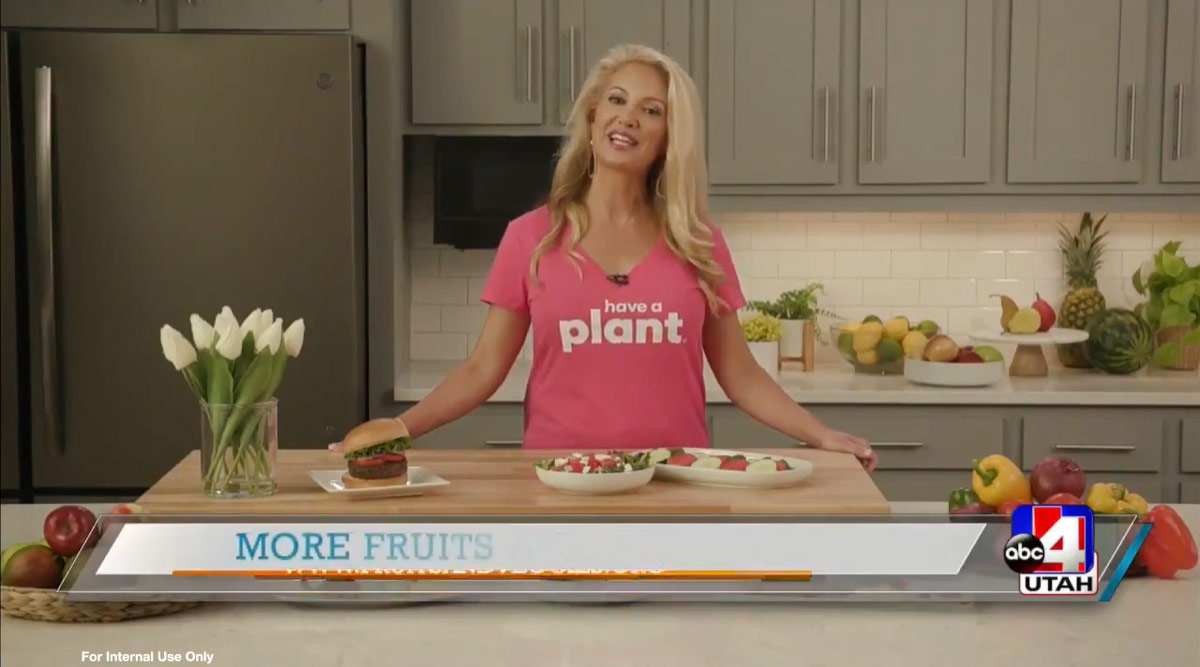
For example, a food company may want to promote a new snack. That alone may not be enough. But a segment on better lunchbox ideas, smarter after-school snacks, game day entertaining, holiday hosting, or affordable pantry staples gives producers something they can actually use. The brand is still included, but it is included as part of a larger, more helpful conversation.
The same is true in health, beauty, wellness, travel, finance, home improvement, and nonprofit campaigns. Producers respond to stories that serve their audience. A product mention or brand message can fit naturally inside that story, but it cannot be the whole story.
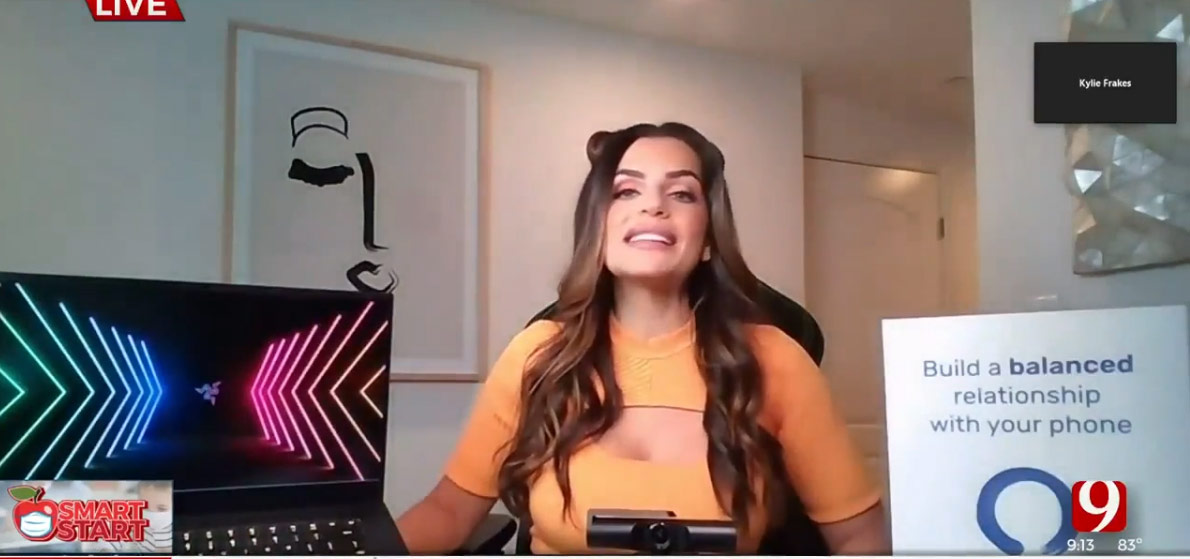
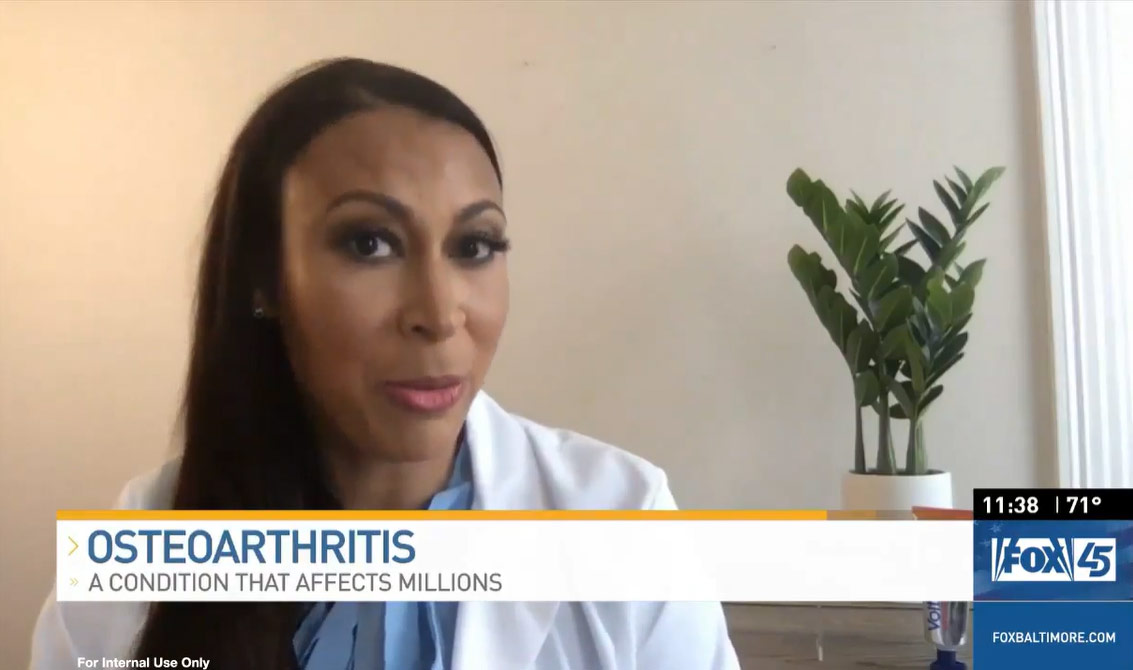
This is especially important in satellite media tours. In one morning, a spokesperson may speak with 20+ stations across the country. Each station has its own audience, its own format, and its own editorial standards. A strong story platform gives every producer a clear reason to book the interview and every anchor a clear reason to care.
The spokesperson also matters. Producers want someone who can deliver useful information, not just repeat brand talking points. That may be an expert, author, doctor, dietitian, chef, lifestyle contributor, advocate, or credible influencer. The best spokesperson understands how to make the segment feel editorial, conversational, and relevant.
That does not mean the brand disappears. Quite the opposite. When the story is strong, the brand message usually lands better. Viewers are more open to hearing about a product, service, or organization when it is presented in a helpful context rather than as a hard sell.
At PLUS Media, this is how we look at every campaign. We do not just ask, “What does the client want to say?” We ask, “What will a producer want to book?” That is the bridge between a brand objective and earned media coverage.
Sometimes that means refining the angle. Sometimes it means adjusting the language. Sometimes it means creating stronger visuals, better B-roll, clearer key messages, or a more timely hook. The goal is always the same: make the story easy for producers to understand, easy for stations to use, and valuable for viewers to watch.
Brands still matter. But in broadcast media, the story opens the door.
A producer may not book a segment because a company wants exposure. A producer books a segment because the topic works for their audience.
That is the difference between pitching a brand and pitching a story.
And it is often the difference between getting ignored and getting booked.