
A Satellite Media Tour can be one of the most effective ways to get your message in front of millions of viewers in a short period of time.
Done right, it gives your brand access to local TV stations, national outlets, digital platforms, radio, and online audiences, all built around one clear message, one spokesperson, and one coordinated media day.
But not all SMT partners are the same.
Choosing the right partner can make the difference between a campaign that feels organized, professional, and successful, and one that creates stress, missed opportunities, and disappointing results.
Here are the key things to look for.
1. Look at the booker bench, not the logo reel
Every shop will show you the same handful of network hits. Ask a different question: who is actually pitching your tour, and how long have they been doing it? Booking is a relationship business. A senior booker with fifteen years of producer contacts will outwork a junior team with a fresh media database every time. If the answer is vague, that is the answer.
2. Ask for unfiltered numbers from a recent tour
Not the highlight reel. Ask for the full booking list from an SMT or VMT they ran in the last 90 days, with markets and station call letters. You want to see the mix of topmarkets versus smaller ones or the ratio of network affiliates to independents. A healthy SMT has range.
3. Understand how they count a booking
Some shops count a confirmed interview. Some count a re-air. Some count digital placements that ran a 30-second clip three weeks later. None of those are wrong, but they are not the same thing. Get the definition in writing before the contract is signed and make sure the post-tour report breaks them out separately.
4. Check the production setup
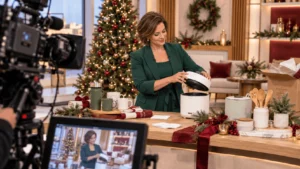
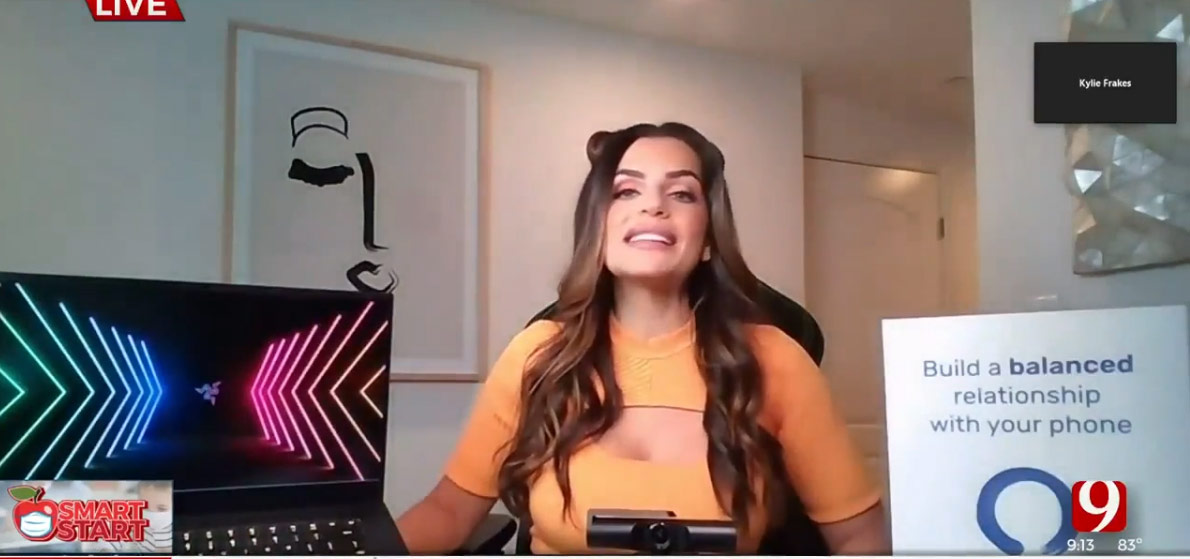
For an SMT, the studio matters. Lighting, audio, backdrop, teleprompter, and how the producer handles a spokesperson who freezes on a live hit. For a VMT, the tech stack matters more than the studio. Ask which platforms they deliver into, how they handle a station that wants a different feed format, and what happens when a producer calls in sick on tour day. Good partners have answers.
5. Pressure-test the pitch
Ask your candidate to send you the pitch they would write for your story. Not a template. The actual angle, the actual subject line, the actual hook. This tells you two things: whether they understand your brand, and whether they can write something a producer will open at 6 a.m. If the pitch sounds like a press release, your tour will book like a press release.
6. Get clear on what happens when things go sideways
Spokespeople get sick. A station cancels an hour before the hit. The satellite uplink drops out during a live hit. Live TV is unpredictable. What does the partner do? A good shop has a Plan B built in. Ask how they handled the last cancellation. The story tells you everything.
7. Confirm the spokesperson prep process
Your spokesperson can sink the tour. A great story falls apart if the talent rambles, dodges the brand message, or freezes on the third hit of the day. Ask the partner what their prep looks like. Is there a message doc? A mock interview? Who runs it, and when? A serious shop builds in real prep time before tour day. A weaker shop sends a one-page brief the night before and hopes for the best. There is a difference, and you will feel it on camera.
8. Make sure they ask what success looks like
The right partner asks what you are trying to do. Awareness? Retail support? Spokesperson credibility? A seasonal push? The answer changes the format. Sometimes a Satellite Media Tour is right. Sometimes a Virtual Media Tour gets you more bookings for less money. Sometimes a Radio Media Tour reaches the audience TV will not. Sometimes you run a combination. A partner who recommends the format before they understand the goal is selling, not advising.
The bottom line on picking an SMT or VMT partner
Price matters, but it is the easiest thing to compare and the worst thing to optimize for. The right SMT partner saves you a bad launch. The wrong one costs you a client. Spend an extra hour on due diligence calls. It is the cheapest insurance in the business.
Ready to book a tour that actually delivers?
PLUS Media has been running Satellite Media Tours, Virtual Media Tours, and Radio Media Tours for brands and agencies that need bookings, not promises. Senior bookers. Unfiltered reports. A studio and tech stack built for tour day.
Get in touch for a free consultation and a sample post-tour report so you can see exactly what we deliver.
Frequently Asked Questions
What is a broadcast media tour?
A broadcast media tour is a coordinated series of back-to-back interviews between a spokesperson and TV or radio stations across multiple markets, usually run in a single day. The three most common formats are the Satellite Media Tour (SMT), where the spokesperson sits in a studio and connects to stations via satellite, the Virtual Media Tour (VMT), where interviews happen remotely over IP delivery platforms, and the Radio Media Tour (RMT), where the spokesperson does back-to-back radio interviews from a single location.
What is the difference between an SMT, a VMT, and an RMT?
An SMT uses a controlled studio environment and satellite or fiber delivery, which gives stations broadcast-quality video and a polished look. A VMT delivers interviews through remote platforms, which is faster to set up, more flexible on location, and usually less expensive. An RMT focuses on radio stations and reaches drive-time and talk audiences TV does not. Most brands run a mix depending on the spokesperson, the story, and the budget.
How much does a Satellite Media Tour cost?
SMT pricing varies by tour length, booker effort, studio needs, and spokesperson logistics. Most tours fall in a range that covers booking, studio time, production crew, satellite delivery, and post-tour reporting. Ask any broadcast media tour partner for a line-itemed quote so you can compare apples to apples.
How many bookings should I expect from an SMT or VMT?
Most tours land somewhere between 15 and 30 confirmed interviews, depending on the story, the spokesperson, the time of year, and how the partner counts a booking. Be cautious of vendors who promise specific numbers up front. A reputable SMT or VMT partner will give you a realistic range based on similar recent tours.
How far in advance should I book a tour?
Three to four weeks is the sweet spot for most broadcast media tours. That gives bookers time to pitch, lock in confirmations, and prep the spokesperson. Tighter timelines are possible for breaking news or tied-to-event stories, but the booking pool gets smaller as the runway shrinks.
What should be in a post-tour report?
At minimum, a list of every confirmed interview with market, station call letters, show name, air date, and audience reach. Better reports also break out live versus taped, network affiliates versus independents, and any digital or social placements. If the report is one page of round numbers and no detail, that is a sign.